Skip to content
Fleet Management Software

7 Differences Between Digital and Manual Fleet Management

Digital fleet management uses software and real-time data to run fleets more efficiently than manual methods. Learn the 7 major differences between digital and manual approaches and how fleet management software improves visibility, cost control and performance.

KO Fleetz Admin24 August 20264 min read
7 Differences Between Digital and Manual Fleet Management
On this page

7 Differences Between Digital and Manual Fleet Management

Many logistics and transport companies still manage their fleets using spreadsheets, phone calls, paper logs and manual registers. While this approach may work for very small operations, it quickly becomes limiting as the number of vehicles, drivers and deliveries grows.

Digital fleet management replaces fragmented manual processes with connected systems that provide real-time visibility, automated tracking and data-driven insights. The result is better control over costs, safety, utilization and delivery performance.

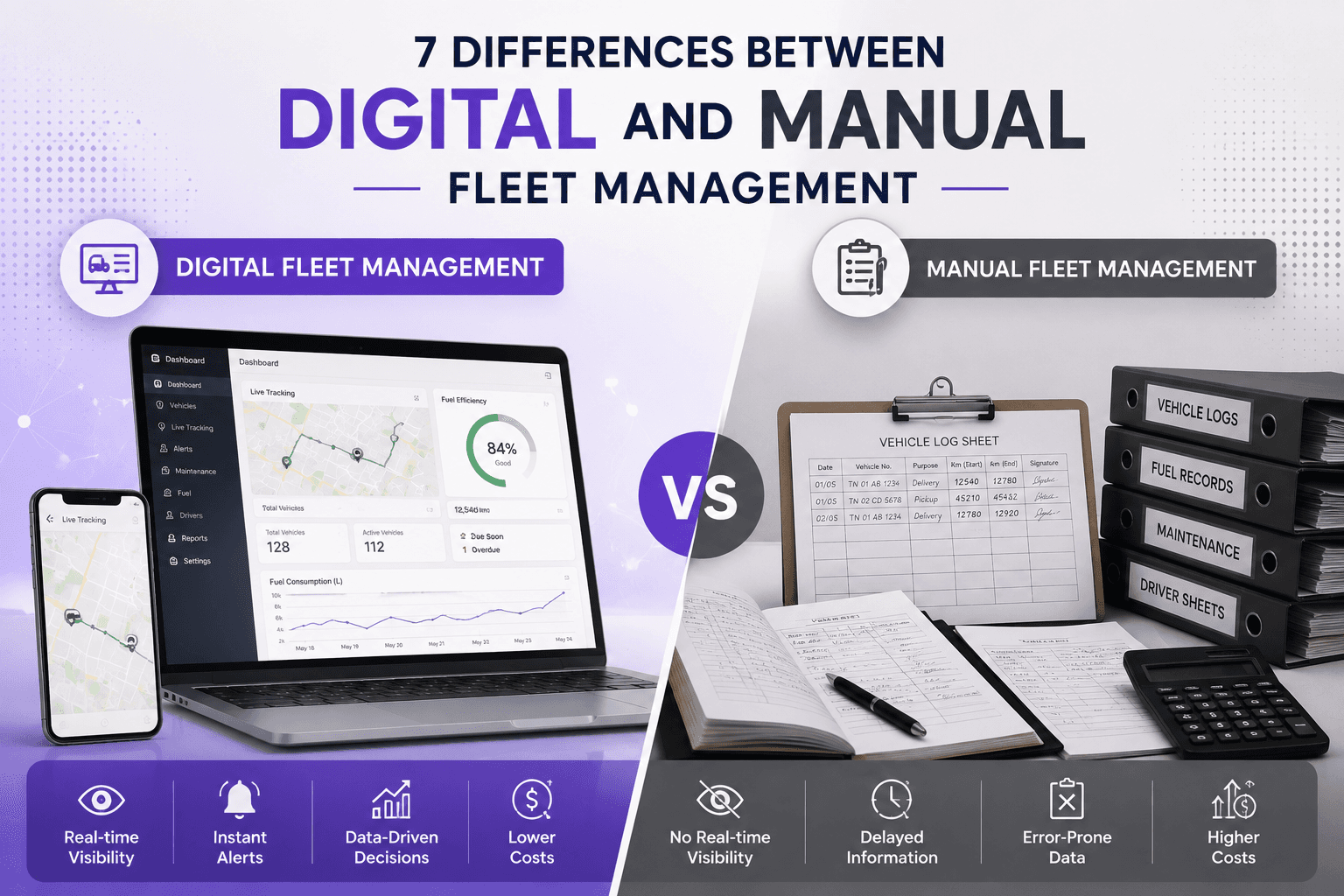
Here are seven clear differences between digital and manual fleet management.

1. Visibility and Real-Time Information

Manual fleet management relies on drivers calling in, paper reports or end-of-day updates. Managers often do not know the exact location or status of vehicles until much later.

Digital fleet management uses live fleet tracking to show vehicle locations, movement status, idle time and route progress in real time. Managers can see what is happening across the fleet at any moment and respond immediately to delays or issues.

2. Data Accuracy and Consistency

Manual records are prone to human error, missing entries and inconsistent formats. Different people may record the same information differently, making comparison difficult.

Digital systems capture data automatically from GPS devices, sensors and operational inputs. This creates consistent, accurate records that support reliable reporting and analysis.

3. Cost Control and Fuel Management

In a manual setup, fuel use, idle time and inefficient routes are hard to measure precisely. Cost problems are often discovered only after monthly bills arrive.

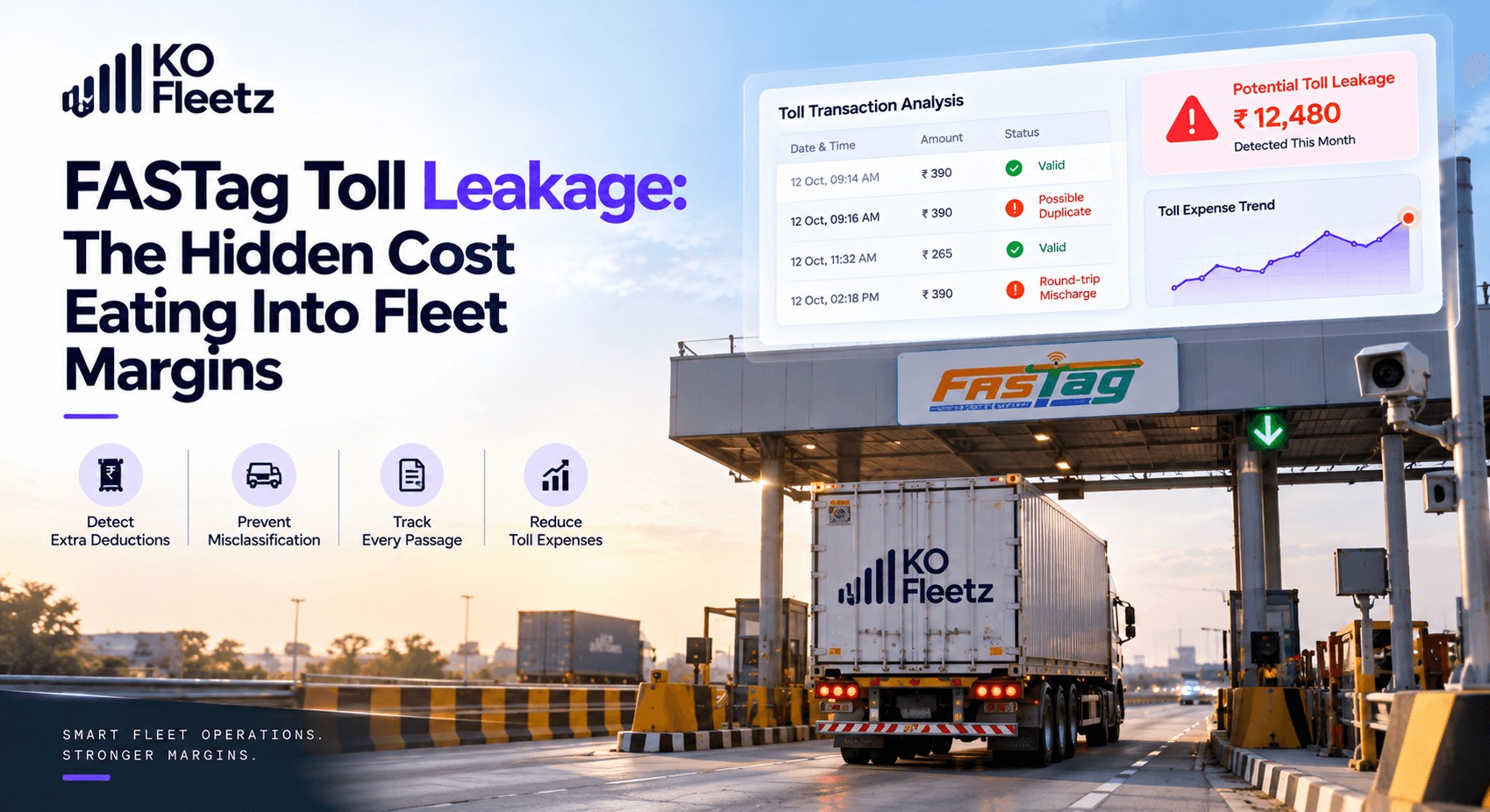
With digital fleet management and fleet management software, managers can monitor fuel consumption, identify high-idle vehicles, detect unusual patterns and act quickly. This leads to measurable reductions in fuel and operating costs.

4. Maintenance Planning

Manual maintenance tracking usually depends on paper service books or simple calendars. Vehicles may miss scheduled services or receive attention only after a breakdown.

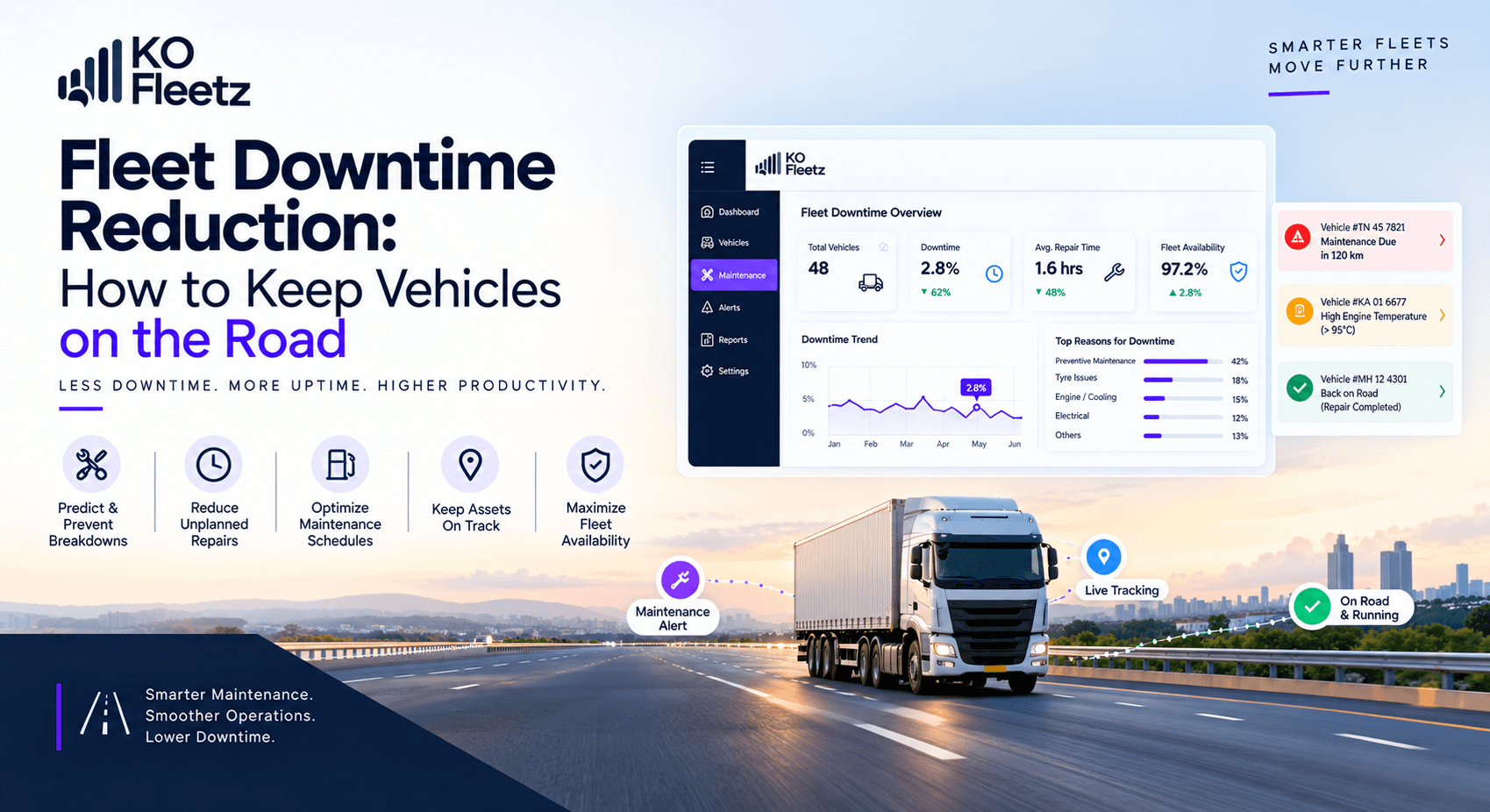
Digital platforms schedule preventive maintenance based on mileage, engine hours or time intervals and send automatic reminders. This reduces unexpected downtime and extends vehicle life.

5. Driver Performance and Safety Oversight

Manual oversight of driving behaviour is limited. Managers may hear about speeding or harsh driving only after an incident.

Fleet tracking and digital systems record events such as speeding, harsh braking and excessive idling. This data supports targeted coaching, safer driving habits and lower accident risk.

6. Reporting and Decision-Making Speed

Creating reports from paper logs and spreadsheets is time-consuming and often outdated by the time it is finished. Decisions are frequently based on incomplete or delayed information.

Digital fleet management generates instant dashboards and reports on utilization, fuel, routes, maintenance and delivery performance. Managers can make faster, evidence-based decisions instead of relying on assumptions.

7. Scalability and Growth Support

Manual processes become harder to manage as the fleet grows. Adding more vehicles multiplies paperwork, phone calls and coordination effort.

Digital systems scale easily. The same platform that manages 10 vehicles can support 100 or more with consistent visibility and control. This makes growth more manageable and less operationally risky.

Why the Shift to Digital Fleet Management Matters

The differences above are not just operational conveniences. They directly affect cost, customer service, safety and competitiveness.

Companies that continue with purely manual methods often face higher fuel spend, more downtime, slower response to problems and limited ability to improve performance over time. Those that adopt digital fleet management gain continuous visibility and the ability to act on data rather than react to problems.

How Kofleetz Supports Digital Fleet Management

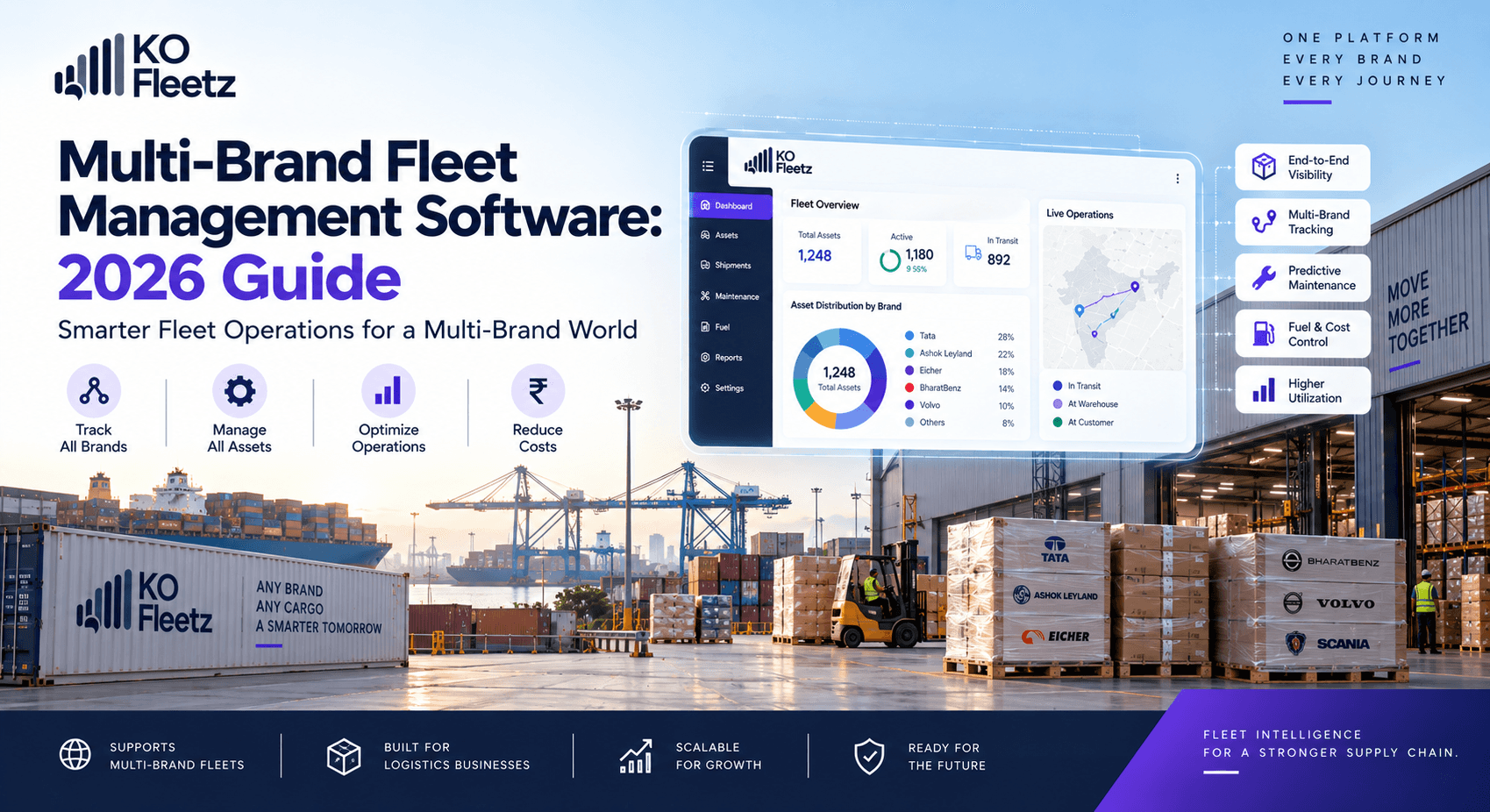
Kofleetz provides a complete digital fleet management platform that includes live fleet tracking, route support, fuel and idle monitoring, maintenance alerts, utilization insights and clear performance reports.

By moving from manual processes to Kofleetz, logistics and transport companies gain the real-time visibility and operational control needed to reduce costs, improve efficiency and scale with confidence.

Final Thoughts

Manual fleet management may feel familiar, but it creates limited visibility, delayed information and growing administrative burden.

Digital fleet management replaces these limitations with connected data, automated tracking and actionable insights.

The seven differences outlined above show why more fleets are making the transition. Real-time visibility, accurate data, better cost control, proactive maintenance, stronger safety oversight, faster decisions and easier scalability are difficult to achieve with paper and spreadsheets alone.

If your team is still managing vehicles manually, it may be time to explore how digital fleet management and modern fleet management software can transform daily operations. Visit Kofleetz to see how a connected platform can help your fleet work smarter.

Share
  • Fleet Management Software

    Common Fleet Management Challenges and Solutions

    Fleet managers face challenges involving fuel costs, vehicle maintenance, driver performance, route efficiency, compliance, and operational visibility. Discover practical solutions for improving fleet operations.

    27 Aug 20265 min
  • Fleet Management Software

    How GPS Fleet Tracking Improves Delivery Performance

    GPS fleet tracking improves delivery performance with real-time visibility, smarter routes, better fuel control, and faster decisions.GPS fleet tracking, fleet tracking, delivery performance, route optimization, real-time vehicle tracking, fleet management, logistics tracking, fuel control, Kofleetz

    12 Aug 20268 min

See KO Fleetz running on your fleet

A 30-minute walkthrough using your vehicles, your routes and the problems you are actually trying to solve.